
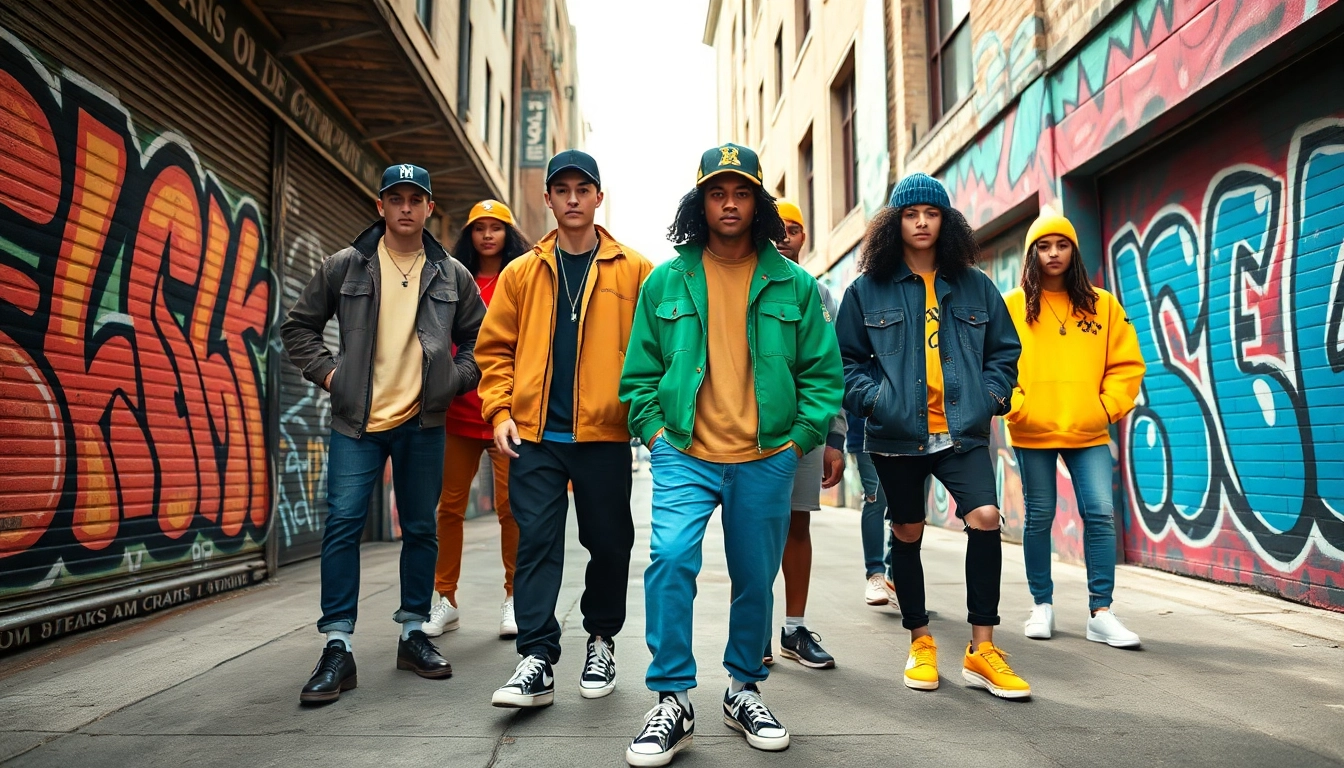
The Evolution of Streetwear Clothes: A 2026 Perspective
Streetwear clothes have transcended their humble beginnings to become a defining force in the fashion industry. Originally birthed from skate and hip-hop culture in the late 20th century, streetwear has evolved into a global phenomenon that blends comfort, style, and cultural significance. As we look towards 2026, the trends and influences shaping streetwear are more dynamic than ever, reflecting broader social changes and technological advancements. Understanding this evolution is essential for fashion enthusiasts and industry professionals alike.
1. Historical Roots and Cultural Origins
Streetwear emerged as a reflection of urban youth culture, primarily in the United States during the 1980s and 1990s. Influenced by the burgeoning hip-hop movement and skate culture, brands like Stüssy and Supreme laid the groundwork for what would become an international style statement. Combining elements of graffiti, music, and high fashion, these brands challenged the status quo and created a new way for individuals to express their identities.
The cultural origins of streetwear cannot be discussed without acknowledging the role of subcultures. Punk, hip-hop, and skateboarding all contributed unique aesthetics and philosophies, emphasizing individuality and rebellion against mainstream norms. As streetwear began to gain traction, collaboration between street artists and fashion designers became a hallmark, further blurring the lines between art and commerce.
2. Key Influencers and Icons in the Streetwear Scene
Throughout its history, numerous influencers and icons have played pivotal roles in shaping streetwear. Figures such as Kanye West, Pharrell Williams, and A$AP Rocky have not only popularized streetwear but have also built their own fashion empires, influencing millions through their unique styles and collaborations. Their work encourages a deeper connection to streetwear, often merging music, art, and fashion in a cohesive narrative.
Today, social media platforms like Instagram and TikTok amplify the voices of emerging streetwear designers and influencers, enabling a new generation to participate in the evolution of the genre. These platforms serve as stages for showcasing innovative ideas, where brands can connect with their audience directly and authentically.
3. How Streetwear Reflects Modern Youth Culture
In 2026, streetwear clothes are not just articles of clothing; they represent a lifestyle and a movement that mirrors the values and aspirations of contemporary youth. Inclusivity, sustainability, and self-expression are at the forefront of this evolution. As young consumers become more socially aware, brands are challenged to align with these values or risk losing relevance.
Moreover, the rise of social movements and global issues has prompted streetwear brands to adopt responsible practices. Many are prioritizing sustainable sourcing and ethical production, allowing consumers to feel empowered with their purchases. When exploring options, streetwear clothes that embody these principles are gaining traction, appealing to the conscience of the modern consumer.
Top Streetwear Clothes Trends to Watch in 2026
The streetwear landscape is constantly shifting, with emerging trends that reflect the zeitgeist. In 2026, several key trends are poised to redefine the genre, highlighting both innovation and consumer demands.
1. Sustainable Practices in Streetwear Fashion
Sustainability has become a crucial element in streetwear design. Brands are increasingly adopting eco-friendly materials, transparent supply chains, and ethically produced garments. This shift is not just a trend; it’s a movement towards a more responsible fashion industry. Consumers are actively seeking brands that commit to reducing their environmental footprint, making sustainability a defining characteristic of successful streetwear in 2026.
For instance, brands like Pangaia and Outerknown are leading the way by utilizing organic cotton and recycled materials, demonstrating that style and sustainability can coexist seamlessly.
2. The Rise of Customization and Personal Branding
The concept of personalization has intensified, with consumers increasingly desiring pieces that reflect their individuality. Customization options—ranging from tailored fits to unique graphics—allow streetwear enthusiasts to express themselves in ways traditional fashion cannot. As a result, brands are developing platforms for customers to co-design products or select unique elements to incorporate into their clothing.
This trend enhances the emotional connection between consumers and brands, as individuals foster a sense of ownership over their style. Collaborations between streetwear brands and local artists further enrich this landscape, promoting local culture and creativity alongside personal branding.
3. Innovation in Fabrics and Materials
The textile industry is witnessing exciting innovations that are shaping streetwear. High-performance fabrics that offer breathability, stretch, and moisture-wicking properties are becoming standard, catering to the active lifestyles of consumers. Furthermore, the introduction of smart fabrics that respond to environmental changes (e.g., temperature or humidity) is beginning to emerge. This technological integration not only enhances functionality but also aligns with the streetwear ethos of merging style with utility.
Moreover, advancements in fabric technology have led to the development of recycled and biodegradable materials, ensuring that streetwear remains at the forefront of both fashion and environmental sustainability.
Where to Shop for the Best Streetwear Clothes Online
As the demand for streetwear continues to rise, numerous platforms have emerged to cater to diverse consumer preferences. Identifying the best shopping venues can significantly enhance the streetwear shopping experience.
1. Top E-commerce Platforms for Streetwear
Several e-commerce platforms have solidified their positions as go-to sources for streetwear clothes. Websites like Culture Kings and Karmaloop provide extensive selections of both mainstream and independent brands, ensuring that shoppers can find everything from essential tees to exclusive collaborations.
Additionally, curated marketplaces like Grailed and Depop encourage users to buy and sell pre-owned streetwear, allowing for sustainable shopping practices and the discovery of rare items.
2. Independent Brands Making Waves in 2026
In 2026, independent streetwear brands are taking center stage. Labels such as Lazy Oaf and Cold Culture are producing distinctive designs that resonate with niche audiences, fostering a sense of community and individuality. These brands often focus on limited editions, emphasizing exclusivity and craftsmanship, which appeals to discerning consumers looking for uniqueness in their wardrobes.
Shopping with independent brands not only supports small businesses but also enables consumers to discover innovative designs that reflect their personal style.
3. How to Spot Authentic Streetwear Online
With the growth of the streetwear market, the risk of counterfeit goods has increased. Therefore, knowing how to identify authentic streetwear is essential for savvy shoppers. Look for specific indicators, such as quality craftsmanship, branded tags, and official collaboration labels. Additionally, research retailers and verify their legitimacy through reviews and community feedback.
Utilizing online platforms that specialize in authentication services, such as StockX or GOAT, can also safeguard your purchases, ensuring that you invest in genuine streetwear.
Styling Tips for Streetwear Clothes
Mastering the art of styling streetwear is crucial for standing out in a crowded fashion landscape. Here are several tips to elevate your streetwear game and create eye-catching looks.
1. Mixing High-End with Streetwear: A Style Guide
Combining high-end fashion with streetwear can create visually striking outfits that play with contrasting aesthetics. Pairing designer pieces with casual streetwear items, such as sneakers and hoodies, can elevate your look while maintaining comfort. Opt for a statement piece—like a tailored blazer or designer sneakers—to anchor your outfit, and let your streetwear items add a playful touch.
This blend of styles reflects the contemporary fashion landscape, where traditional boundaries are blurred, allowing for greater creative expression.
2. Layering Techniques for Urban Fashion
Layering is essential in creating versatile streetwear outfits. Experiment with different lengths and textures by combining oversized tees with fitted jackets or adding long cardigans over hoodies. This approach not only enhances visual interest but also provides functional benefits, adapting your outfit for varying weather conditions.
Accessorizing with hats, bags, and unique footwear can further enhance your layered looks, making them more dynamic and personal.
3. Accessorizing Your Streetwear Outfits Effectively
Accessories play a vital role in streetwear styling. Incorporating items such as beanies, snapbacks, or statement jewelry can add depth to your outfit. Additionally, functional accessories like crossbody bags or backpacks can seamlessly integrate style and utility, which is a hallmark of streetwear culture.
When choosing accessories, make sure they align with your overall aesthetic and enhance your outfit rather than overwhelm it.
The Future of Streetwear Clothes: Trends and Innovations
Looking ahead, the future of streetwear is poised for exciting developments, merging creativity with technology and addressing evolving consumer demands.
1. Predictions for Streetwear in the Next Decade
By 2030, we can expect streetwear to further influence mainstream fashion. With rapid globalization, styles inspired by cultures from around the world may evolve, creating a melting pot of influences. Additionally, the integration of augmented reality (AR) and virtual reality (VR) may transform how consumers interact with fashion, allowing for immersive shopping experiences that bridge the gap between digital and physical realms.
Moreover, as sustainability becomes increasingly essential, streetwear brands will likely focus on circular economies, where garments are designed for longevity and recyclability.
2. The Impact of Technology on Fashion Trends
Technology will continue to shape the streetwear landscape, from innovative fabric development to e-commerce experiences. AI and machine learning can enhance personalization, offering tailored recommendations based on consumer preferences and behavior. This technological evolution will ensure that streetwear remains relevant and responsive to the needs of the consumer.
Moreover, advancements in production techniques, such as 3D printing, have the potential to revolutionize how streetwear is created, enabling on-demand manufacturing that reduces waste and promotes efficiency.
3. Global Influences Shaping the Streetwear Landscape
The streetwear scene is increasingly influenced by global cultures, with regional styles coming to the forefront. As fashion becomes more interconnected, designers are drawing inspiration from diverse cultural backgrounds, leading to innovative collaborations and unique collections that celebrate authenticity.
This cultural exchange enriches the streetwear narrative, allowing for a broader representation of styles and perspectives and contributing to a more inclusive fashion environment.