
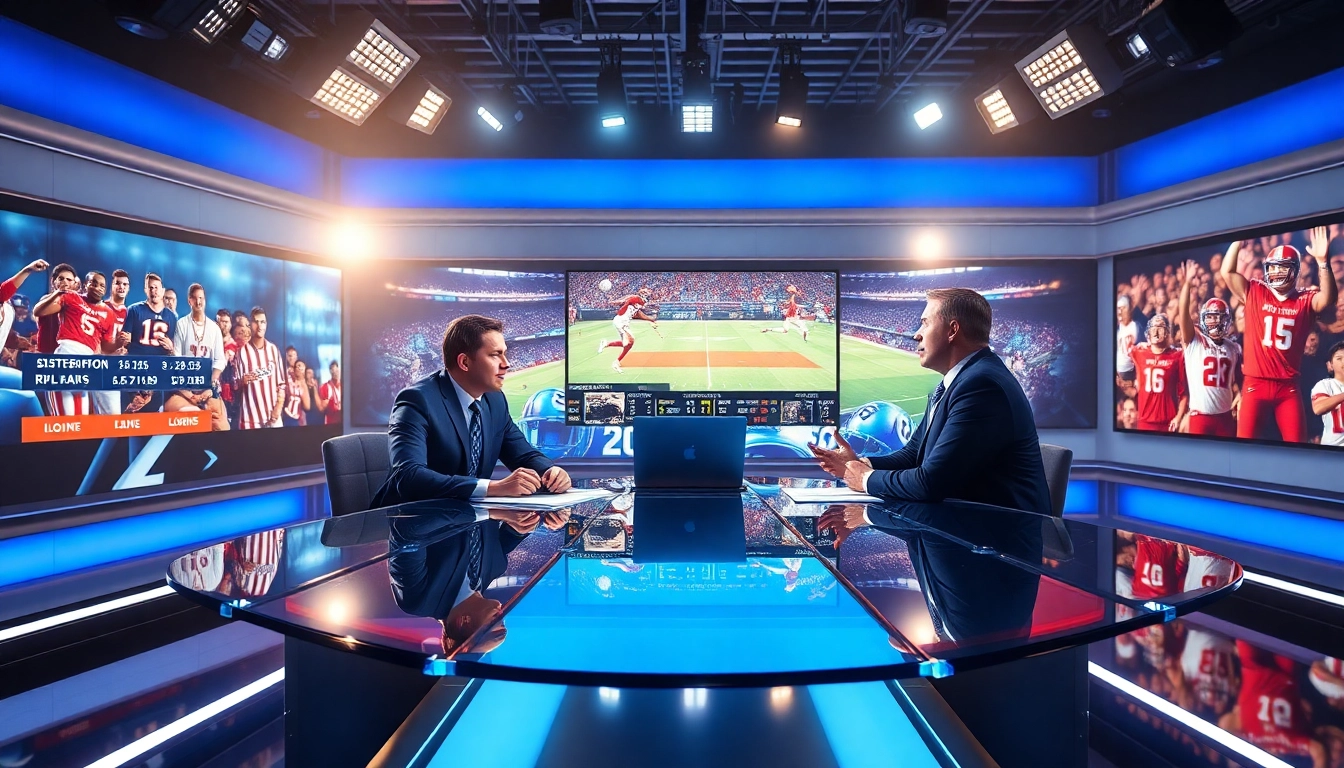
Understanding the Fundamentals of Sports Broadcasting
Defining Sports Broadcasting
Sports broadcasting is the dissemination of sports content to an audience via various platforms, including television, radio, and online streaming. This process involves not just the live transmission of events, but also extensive pre- and post-event analyses, commentary, and coverage of sporting news. The objective is to inform, entertain, and engage viewers, making them feel like part of the action.
With the evolution of Sports Broadcasting, the reach has expanded from traditional channels to digital platforms, allowing for a more interactive experience tailored to audience preferences.
Key Roles in Sports Broadcasting
The sports broadcasting ecosystem comprises various roles, each integral to creating a compelling viewing experience. Essential positions include:
- Sports Anchors: They are the face of sports broadcasts, delivering the news, presenting highlights, and conducting interviews with players and coaches.
- Analysts: These experts provide in-depth insights into games, discussing strategies and player performances, enhancing viewer understanding.
- Producers: They manage the overall production, ensuring that broadcasts run smoothly and meet quality standards.
- Technical Crew: Responsible for the technical aspects such as camera operation, sound, and lighting, they ensure that broadcasts are of high quality.
- Writers: They create scripts, stories, and features that shape the narrative around sports events.
Essential Equipment Utilized
The backbone of effective sports broadcasting lies in its technology and equipment. Essential tools include:
- Cameras: High-definition cameras capture the action, providing viewers with a clear and dynamic visual experience.
- Microphones: Quality microphones are crucial for clarity during commentary and interviews, including both handheld and lapel styles.
- Streaming Software: With the rise of digital platforms, robust streaming software enables live broadcasts over the internet.
- Graphics Systems: These systems enhance storytelling with stats, replays, and graphics overlays during live sessions.
Current Trends in Sports Broadcasting
The Rise of Digital Streaming Platforms
Digital streaming platforms have fundamentally altered how audiences consume sports content. With services offering on-demand viewing, fans no longer rely solely on scheduled broadcasts. This shift allows for greater flexibility and accessibility, catering to diverse viewing habits. Moreover, many digital platforms integrate features like multi-angle viewing or interactive statistics, heightening the fan experience beyond traditional broadcasting.
Viewer Engagement Strategies
Engagement in sports broadcasting has evolved dramatically. Modern strategies now include:
- Live Q&As: Broadcasters hold live sessions where fans ask questions directly to analysts or players, fostering a more personal connection.
- Fan Polls: Interactive polls during broadcasts let fans participate, making them feel part of the action and offering broadcasters real-time insights into viewer preferences.
- Virtual Reality (VR): Some broadcasters are experimenting with VR technology, allowing fans to experience games from unique perspectives.
Impact of Social Media on Sports Broadcasting
Social media platforms have become crucial for sports broadcasters, serving as a channel for immediate content dissemination and audience interaction. Broadcasters use social media to share highlight clips, engage fans during live games, and carry out promotional campaigns. Additionally, feedback and viewer sentiment from social media inform broadcasters on audience preferences, enabling them to adjust content strategies accordingly.
Challenges in Sports Broadcasting
Regulatory and Licensing Issues
One of the longstanding challenges in sports broadcasting is navigating regulatory and licensing issues. Broadcasters must secure the right to air specific events, which can often be complicated by territorial rights and exclusive agreements. Understanding these regulations is essential to avoid legal disputes and ensure compliance with broadcasting standards.
Technological Limitations and Solutions
While technology has advanced, sports broadcasters still face issues like bandwidth limitations, especially when transitioning to 4K and VR broadcasts. To overcome these challenges, investing in robust network infrastructure and exploring cloud solutions for better content management can enhance broadcasting capabilities. Regularly upgrading equipment also plays a crucial role in delivering quality content.
Maintaining Audience Loyalty
In a world where viewers have myriad options, maintaining audience loyalty is a significant challenge for sports broadcasters. Building a loyal audience involves consistent content quality, ongoing engagement on social platforms, and creating unique programming that resonates with viewers. Offering exclusive behind-the-scenes content or special features can also help bridge the gap between fans and the sports they love.
Best Practices for Aspiring Sports Broadcasters
Building Your Skill Set
For those aspiring to enter sports broadcasting, developing a diverse skill set is crucial. This includes honing communication skills, understanding sports analytics, mastering broadcasting technology, and learning the nuances of scriptwriting. Consider shadowing experienced professionals or participating in internships to gain practical insights.
Networking and Industry Connections
Building a strong professional network can significantly impact one’s career in sports broadcasting. Attend industry conventions, seminars, and local events to meet influential figures in the field. Engaging on social media platforms can also facilitate connections, allowing for the sharing of insights and potential job leads.
Creating a Personal Brand
A successful career in sports broadcasting often hinges on personal branding. Create an online portfolio showcasing your work, including sample broadcasts, writing, or any multimedia content. Utilize social media to share your insights on sports topics to establish your voice and authority in the field while connecting with your audience authentically.
Measuring Success in Sports Broadcasting
Key Performance Indicators to Track
To assess the effectiveness of sports broadcasting efforts, it’s vital to monitor key performance indicators (KPIs). Metrics such as viewer ratings, audience engagement levels, and social media interactions provide insights into what resonates with viewers. Tracking growth in viewership over time can help broadcasters understand their reach and make data-driven decisions.
Analyzing Audience Feedback
Audience feedback can be a treasure trove of information for broadcasters. Collecting feedback through surveys, social media polls, or direct interactions provides valuable data on viewer preferences. Understanding what content resonates can guide future programming choices, ensuring that broadcasters deliver what audiences want.
Improving Content Based on Metrics
Utilizing metrics to enhance the quality of broadcasts is integral to success. Broadcasters should analyze which segments receive the most views and engagement, adapting content accordingly. Techniques may include modifying broadcasting schedules, delving deeper into popular sports topics, or experimenting with different presentation styles to find what works best.
Frequently Asked Questions
What skills are essential for sports broadcasting?
Key skills include clear communication, an understanding of sports rules, research abilities, and technical proficiency with broadcasting equipment.
How has technology changed sports broadcasting?
Technology has introduced advanced graphics, live streaming, and interactive viewer experiences, significantly enhancing the way audiences engage with sports.
What are common career paths in sports broadcasting?
Common roles include sports anchor, analyst, producer, and technical director, each playing a crucial part in delivering high-quality broadcasts.
How do broadcasters build an audience?
Successful broadcasters build audiences through consistent quality content, engaging social media interactions, and collaborations with other sports media.
What challenges do sports broadcasters face?
Broadcasters often deal with regulatory issues, competition from other media, and the need to constantly adapt to changing technology and viewer preferences.